

Trees Clearing in Houston, TX
Trees clearing services involve the removal of unwanted or hazardous trees from residential properties. This process can include cutting down entire trees, trimming branches, and grinding stumps to improve safety, aesthetics, or to make space for construction projects. Homeowners often request tree clearing for reasons such as storm damage cleanup, preventing potential hazards near structures, clearing land for landscaping or development, or removing dead or diseased trees that pose a risk to the property.
Before requesting tree clearing, property owners should consider the size, location, and number of trees involved, as well as any potential restrictions or permits required by local regulations. It is also useful to understand the condition of the trees, including whether they are healthy or pose safety concerns, and to identify any nearby structures, power lines, or underground utilities that might influence the scope of work. Gathering this information helps ensure the project is planned effectively and safely.
Many property owners in Houston, TX look into Trees Clearing for repairs, replacements, upgrades, and appearance-related improvements.
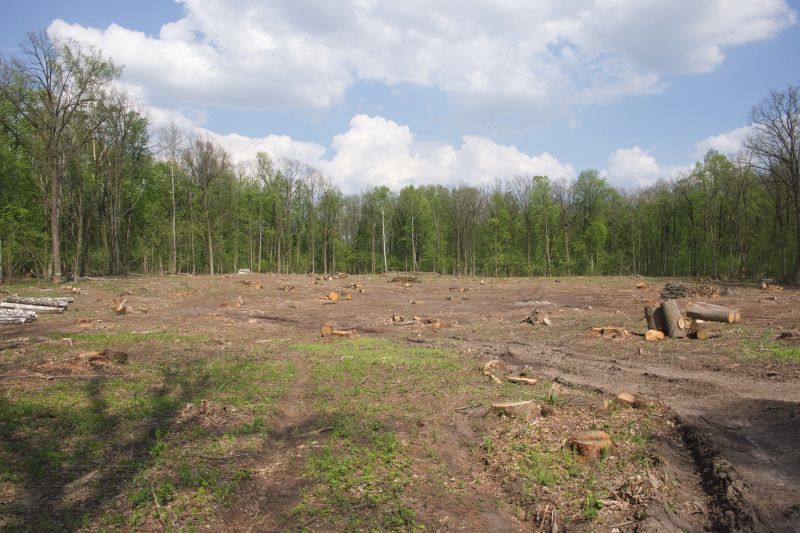
Tree Removal For Safety
Removing hazardous or dead trees helps protect properties and residents.
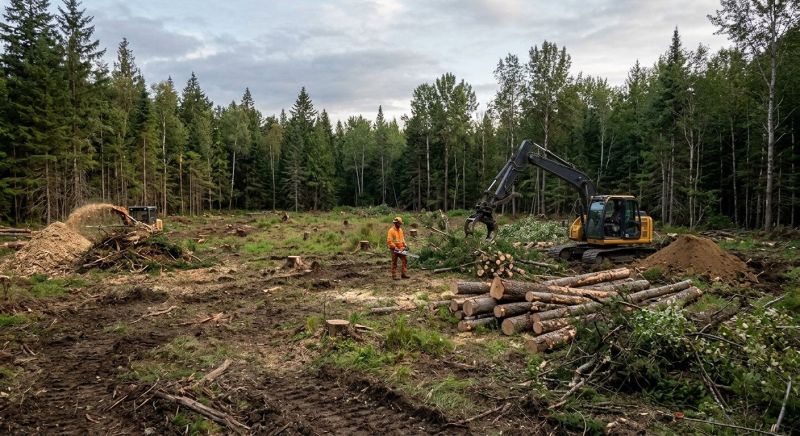
Clearing Land For Development
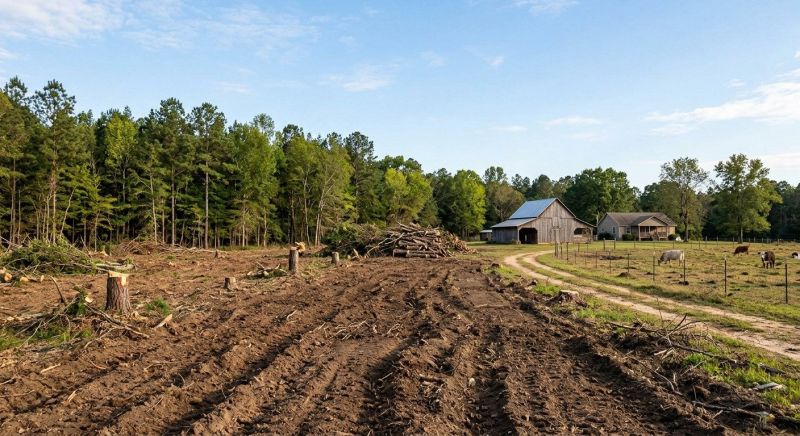
Tree clearing prepares properties for construction, landscaping, or new features.
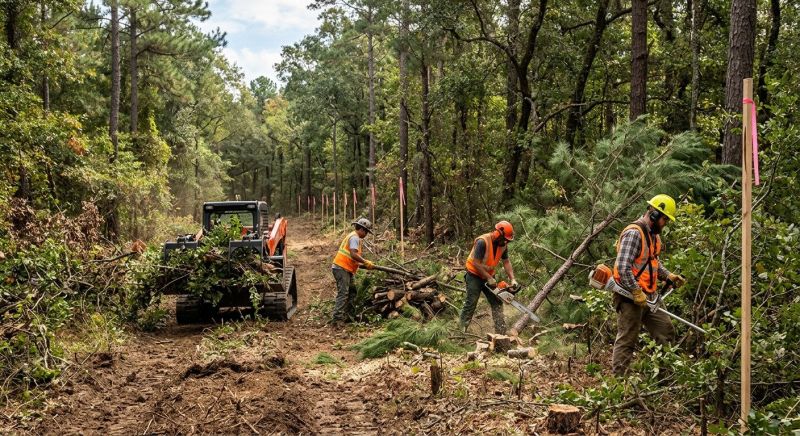
Property Maintenance And Aesthetics
Tree trimming and removal enhance curb appeal and maintain a tidy landscape.
Trees Clearing in Houston, TX
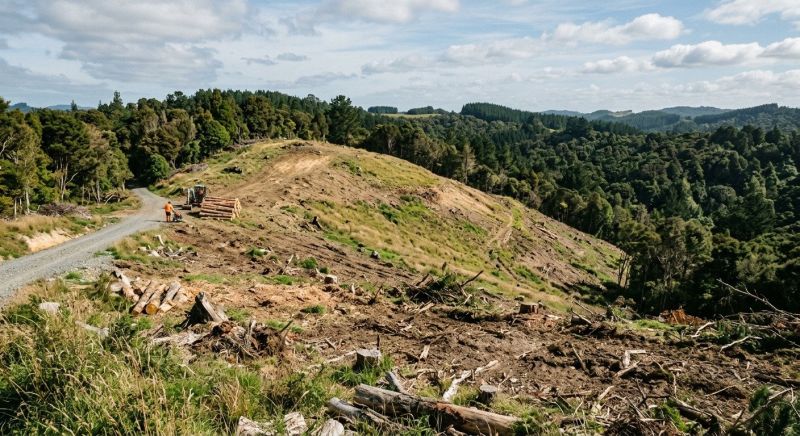
Trees clearing services involve the removal of unwanted or hazardous trees from residential properties. This process can include cutting down entire trees, trimming branches, and grinding stumps to improve safety, aesthetics, or to make space for construction projects. Homeowners often request tree clearing for reasons such as storm damage cleanup, preventing potential hazards near structures, clearing land for landscaping or development, or removing dead or diseased trees that pose a risk to the property.
Before requesting tree clearing, property owners should consider the size, location, and number of trees involved, as well as any potential restrictions or permits required by local regulations. It is also useful to understand the condition of the trees, including whether they are healthy or pose safety concerns, and to identify any nearby structures, power lines, or underground utilities that might influence the scope of work. Gathering this information helps ensure the project is planned effectively and safely.
Many property owners in Houston, TX look into Trees Clearing for repairs, replacements, upgrades, and appearance-related improvements.
Common Trees Clearing Jobs
Tree removal - complete removal of hazardous or unwanted trees to improve property safety.
Stump grinding - grinding down tree stumps to clear the landscape and prevent regrowth.
Selective clearing - removing specific trees or branches to enhance views or sunlight access.
Lot clearing - preparing land for construction or landscaping by removing trees and debris.
Emergency tree services - prompt removal of fallen or damaged trees after storms or storms.
Vegetation management - thinning and clearing overgrown trees to promote healthy growth and safety.
Trees Clearing Questions
What types of trees can be cleared? Tree clearing services typically handle a variety of trees, including both deciduous and evergreen species, regardless of size or age.
Is tree removal suitable for safety concerns? Yes, tree clearing can address safety issues caused by dead or damaged trees that pose a risk to property or people.
Can clearing be done around structures or utilities? Yes, services often include clearing near buildings, fences, power lines, and other utilities to prevent damage or interference.
What property projects often require tree clearing? Common projects include landscaping, construction site preparation, view enhancement, and yard cleanup efforts.
Request Trees Clearing in Houston, TX
Use the quote form on this page to share the basics of your project and request more information for the type of work you need.